The NRL is about to grow by two, and the fascinating thing is how little the Perth Bears and the PNG Chiefs resemble each other. One is assembling a football team. The other is assembling a phenomenon. Both approaches have merit, and both have a hole in the middle of them.
Start with what Perth has done properly, because it is unglamorous and largely unreported. The Bears have signed twenty-six players ahead of their 2027 entry, enough to fill a complete top nineteen, and they are tracking comfortably against the Dolphins’ benchmark from the same point in the 2023 build.
More impressive is where they have shopped. While rival clubs fought over the same finite pool of NRL-contracted players, Perth quietly opened a Super League pipeline, landing Harry Newman, Mikolaj Oledzki, James McDonnell and Luke Smith. Nick Meaney and Tyran Wishart arrive schooled in the Melbourne system. Appointing Mal Meninga as inaugural coach gave the operation instant gravitas, and reviving the North Sydney Bears name handed a brand-new club a hundred years of heritage on day one.
The problem is that nothing on that list frightens anybody. Perth chased Cameron Munster, Luke Metcalf, Reuben Garrick, Beau Fermor and Jayden Campbell, and lost every one of them. Toby Sexton and Jack Cole are honest halves who have never steered a finals side. Four squad positions and all six development spots remain unfilled. Beneath all of it sits the deeper task nobody can sign their way out of, Western Australia is AFL territory with no rugby league junior base worth the name, and a functional, faceless roster is not the thing that converts a curious market into a rusted-on one.
Papua New Guinea has the opposite profile entirely. Twenty-four months from kickoff, the Chiefs have already secured Jarome Luai, Alex Johnston, Zac Lomax, Connor Watson, Matty Lees and now Brian To’o. Willie Peters arrives as head coach in 2027 with Anthony Seibold assisting. Unlike Perth, the Chiefs inherit a genuine pathway in the PNG Hunters, Queensland Cup premiers in 2017, and a country where rugby league is effectively the national religion. They are underwritten by a six hundred million dollar Australian government commitment across a decade.
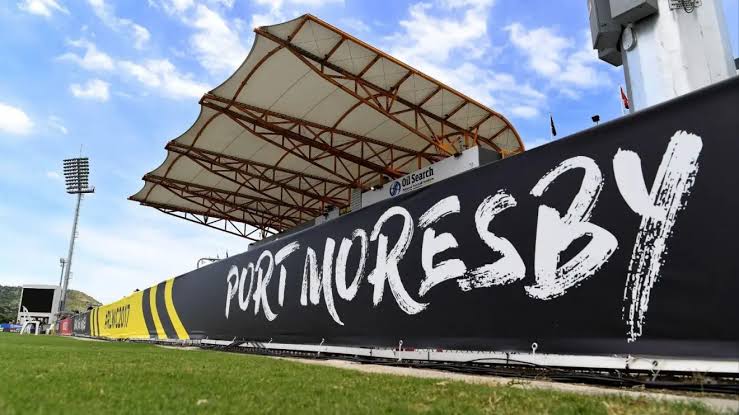
Their vulnerabilities are just as sharp. Of the marquee names secured, only Johnston holds PNG international honours, which raises the uncomfortable question of whether Port Moresby ends up watching a Sydney team in local colours. The forward pack is barely started. The National Football Stadium holds under fifteen thousand and requires expansion to twenty-five before 2028. Most striking of all, the funding is welded to a bilateral security arrangement, and a breach would oblige the NRL to remove the club from the competition, a condition no other franchise has ever operated under.
Perth risks anonymity. Papua New Guinea risks inauthenticity. Whichever solves its core problem will be the more successful expansion side.
Leave a Reply